
- Comprehensive Residential Care
Residential Inpatient Addiction and Mental Health Treatment in Central Florida
Continuous Care from Detox to Residential Treatment
When addiction or mental health struggles begin to take over your health, your relationships, and your sense of control, outpatient care may not be enough.
Residential treatment gives you the chance to step away from the noise and focus fully on getting better. At Mending Fences in Florida, stabilization starts with on-site medical detox and moves directly into residential care. You don’t have to transfer to another facility or start over with a new team. You stay in one place, with people who know your story and understand your needs.
Healing doesn’t happen in chaos. It starts with a safe place to stabilize, a structured environment to rebuild, and a team that stays with you through it.
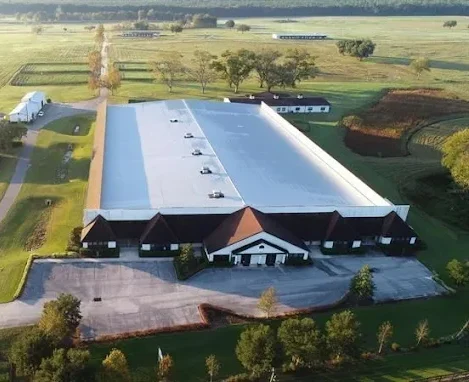
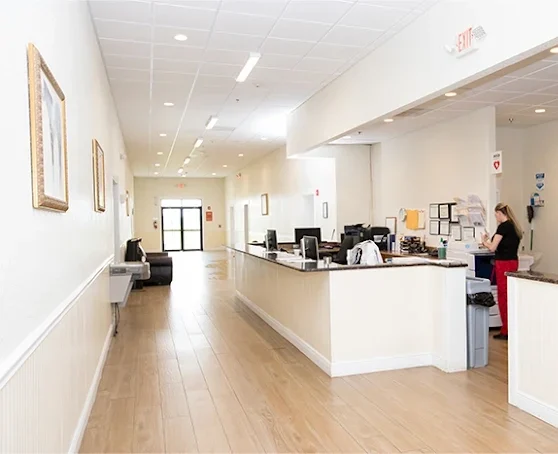
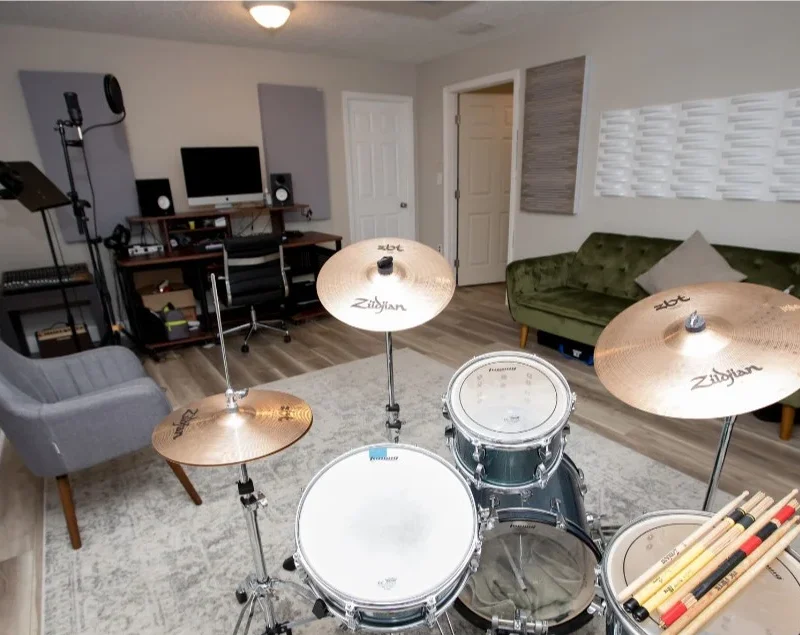
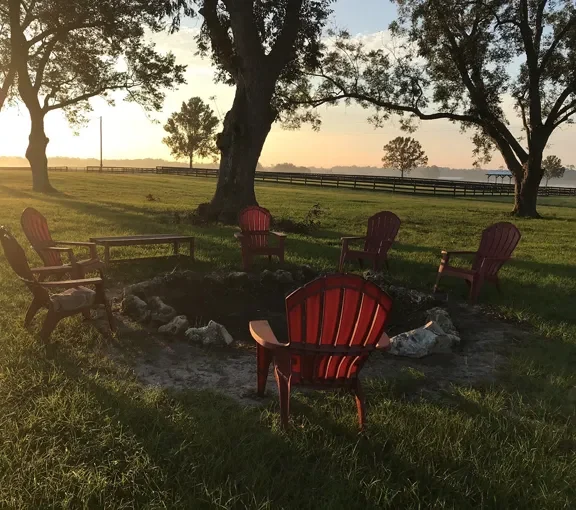
Residential Rehab for Substance Use and Co-Occurring Disorders
For many people, recovery begins with medical detox and continues into residential treatment. And for a lot of people struggling with addiction, substance use isn’t the only issue. Anxiety, depression, trauma, or mood swings are often part of the picture too.
When both are present, it’s called a co-occurring disorder, or dual diagnosis. If you treat the substance use but ignore the mental health side, the cycle usually continues. Real progress happens when both are addressed together.
Residential inpatient treatment is built to do exactly that.
We treat substance use disorders involving:
During residential care, you live on-site in a structured setting. Your days include therapy, psychiatric support, and consistent accountability. Everything works together.
Stabilization isn’t just about stopping substances. It means reducing cravings, improving sleep, regulating your mood, and learning how to handle stress without turning back to old coping patterns.
Equine-Assisted Therapy: Rebuilding Trust and Emotional Regulation
Healing here doesn’t only happen in a therapy office.
Equine-assisted therapy is a structured, clinician-led approach that uses guided interaction with horses to support emotional growth. Horses are highly sensitive to body language and emotional shifts. They respond honestly and in real time.
If you’re tense, guarded, or overwhelmed, the horse reacts to that. When you slow down and regulate your emotions, the response changes. You see the difference immediately.
Over time, this work helps strengthen:
For many people, especially those carrying trauma or deep shame, change happens faster through experience than through conversation alone. You don’t just talk about patterns. You see them play out, and you practice doing something different.
Repairing fences in your life takes patience. It means learning how to approach without force, how to stay calm under pressure, and how to rebuild trust through consistent behavior. Equine-assisted therapy turns those lessons into something you can feel and practice in the moment.
Personalized Residential Treatment
Individual therapy, using evidence-based approaches like Cognitive Behavioral Therapy (CBT) to help you identify and change harmful thought patterns
Dialectical Behavior Therapy (DBT) to strengthen emotional regulation and build healthier ways to handle distress
Trauma-informed therapy for unresolved trauma and past experiences that continue to affect you
Psychiatric evaluation and medication management, when appropriate
Clinical group therapy to build connection, insight, and accountability
Relapse prevention planning to prepare for real-world triggers and stress
Family therapy and communication work
Life skills development to support long-term stability
Who Residential Inpatient Treatment Is Appropriate For
You have completed medical detox and need continued structured support
You’ve relapsed after prior treatment
Your home environment makes it hard to stay sober
You feel emotionally unstable, overwhelmed, or unsafe
You’re struggling with both substance use and mental health symptoms
Outpatient treatment hasn’t been enough
Residential treatment isn’t about failure. It’s about stepping into a higher level of care when you need more stability, structure, and support.
If you’re unsure what level of care is right for you, a confidential assessment can help determine the best next step. If residential treatment isn’t the right fit, you’ll be told that honestly and directly.
What a Typical Day Looks Like
A morning check-in and goal setting
Clinical group therapy
Individual therapy sessions
Education about addiction, mental health, and recovery
Equine-assisted therapy
Skill-building focused on healthy coping strategies
Time for reflection and structured downtime
Outdoor recreation
Length of Stay and Continuing Care
The severity of substance use
The presence of co-occurring mental health conditions
A history of relapse
Progress made during treatment
Some people need several weeks. Others benefit from a longer period of stabilization. Recommendations are based on clinical need, not a preset timeline or insurance preference.
Before you leave, a structured aftercare plan is created with you. That plan may include outpatient therapy, step-down programming, psychiatric follow-up, sober living, or continued family work.
The goal isn’t short-term sobriety. The goal is stability that holds when you return home.
Begin Residential Treatment in Florida
If addiction has created distance between you and the life you want, reaching out can feel hard. It can also be the moment things begin to change.
At Mending Fences, residential inpatient treatment includes medical detox, dual diagnosis care, and equine-assisted therapy — all within a full-continuum stabilization program designed to help you reset safely and rebuild with intention.
You don’t have to have everything figured out. You can call for a confidential conversation about what’s happening right now. No pressure. Just honest answers and clear guidance on what comes next.
When you’re ready to start repairing what addiction has damaged, we’re here.



Testimonials
What Our Clients Say
Hear directly from those who have reclaimed their lives with Mending Fences.
Staff is excellent, food is good, and the importance placed on mental health as well as substance abuse made all the difference.

12 months ago
Beautiful place really helps bring you back to the simpler things in life, lots of helpful groups and staff. My case manager C.C. really put in alot of work to help me move on to better things. Staff goes above and beyond to help you get through your tough time and keep you in good spirits.

a year ago
Greatest health facility of all time! Great staff, great food, (s/O Mrs D !! N everyone else who made this experience possible!!!

a year ago