


Medical Detox for Alcohol and Drug Withdrawal in Central Florida

Withdrawal can feel overwhelming — and sometimes medically dangerous.

Medical detox at Mending Fences provides 24/7 supervision to help you stabilize safely, with seamless transition into continued care on the same campus.

24/7 Medical Care With a Direct Transition Into Residential Care

Stopping drugs or alcohol can feel frightening for a simple reason: withdrawal can hit hard. Symptoms like panic, nausea, shaking, insomnia, depression, and intense cravings can make it feel impossible to push through alone. In some cases, withdrawal can also be medically dangerous.

Medical detox provides a safer, medically supervised way through those first days. With 24/7 monitoring and comfort medication when appropriate, you can stabilize your body without trying to manage withdrawal on your own.

At Mending Fences in Central Florida, detox is the first step in a structured treatment plan. Once you are medically stable, care continues on the same campus — without transfers or gaps between levels of care.

Medical Detox
Mending Fences Staff
Mending Fences Entrance Gate
Medical Detox

What to Expect During Medical Detox

Detox typically begins with a medical and clinical assessment. This helps determine withdrawal risk, current substance use, and any co-occurring mental health concerns.

From there:

Symptoms are monitored around the clock

Comfort medications are introduced when appropriate

Sleep, hydration, and nutrition are supported

Mental health symptoms are assessed and stabilized

Planning for continued treatment begins early

The focus is stabilization first — then preparation for the next level of care.

Who Needs Detox?

Detox may be the safest place to start if stopping on your own has led to uncomfortable or intense withdrawal symptoms, such as sweating, shaking, nausea, panic, insomnia, or agitation.

It’s often recommended if:

You drink daily or heavily

You regularly use benzodiazepines like Xanax, Ativan, Klonopin, or Valium

You use opioids such as fentanyl, heroin, oxycodone, or hydrocodone

You’re using more than one substance

Past attempts to quit lasted only a few days before relapse

Anxiety, depression, PTSD, or bipolar symptoms get worse when you stop using

If withdrawal symptoms begin when you stop or cut back, detox is often the safest starting point.

Medication Support and Symptom Management

Some people move through detox without medication. Others benefit from comfort medications to stay safe and more comfortable during withdrawal. The right approach depends on what you’ve been using, how long you’ve been using it, and how your body responds.

Alcohol Withdrawal

Alcohol withdrawal can sometimes lead to serious complications, including seizures or severe confusion. Comfort medications may be used to reduce those risks and help stabilize the nervous system.

Benzodiazepine Withdrawal

Benzodiazepine withdrawal can be dangerous if stopped suddenly. A gradual, medically supervised taper is often the safest path forward.

Opioid Withdrawal

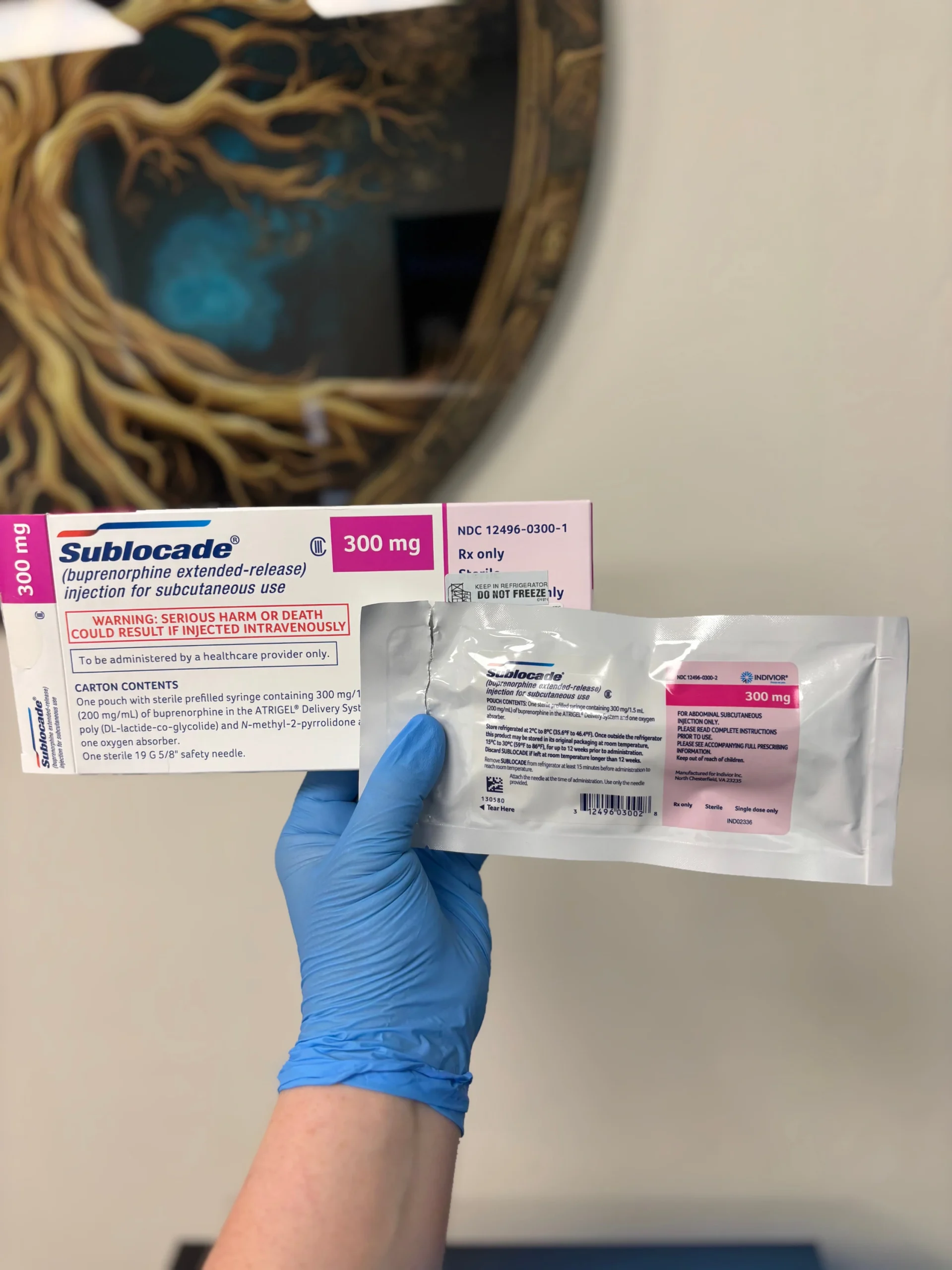
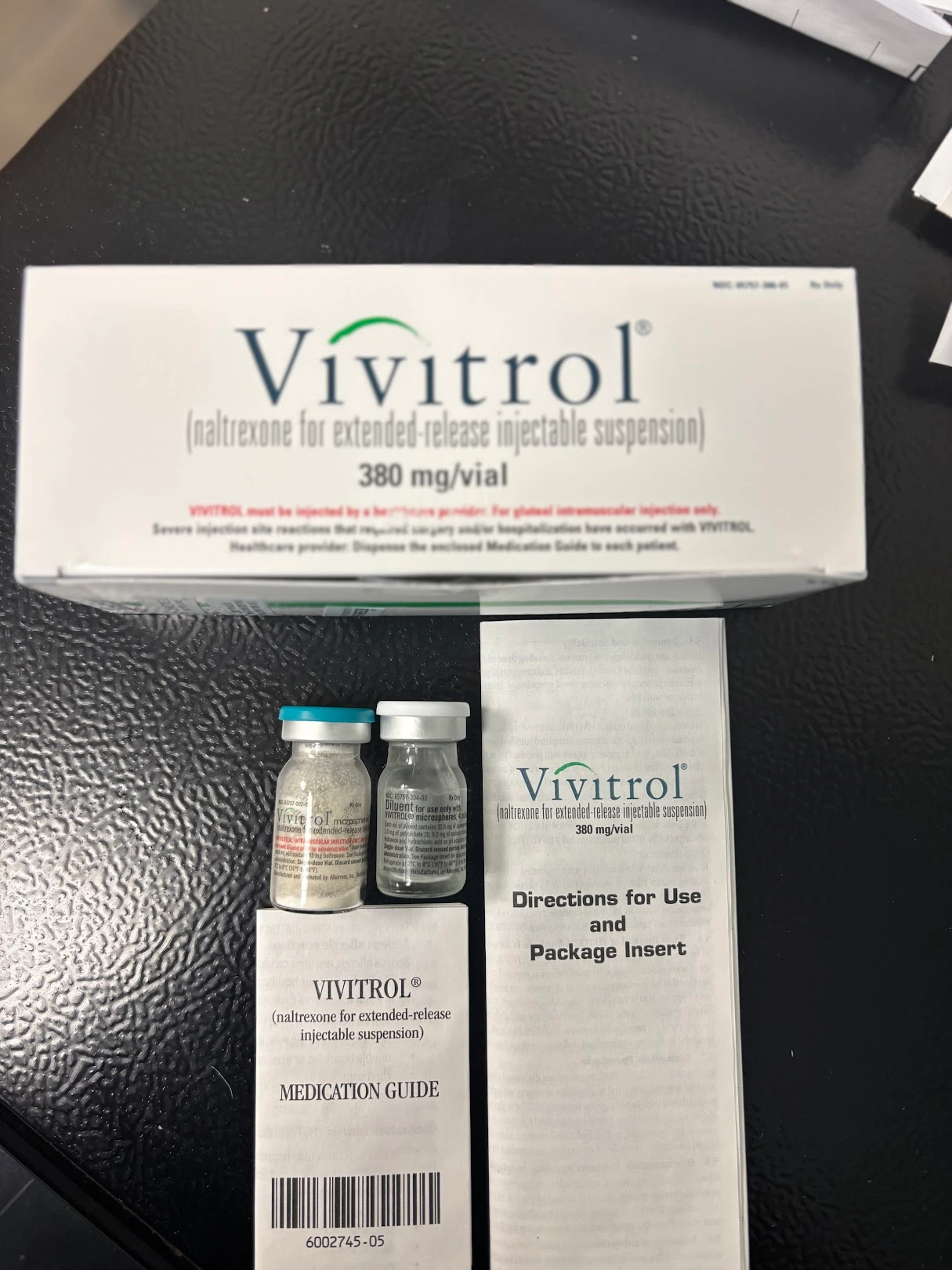
Opioid withdrawal is usually not life-threatening, but it can be physically and emotionally intense — often intense enough to lead to relapse. Comfort medications can help reduce cravings, anxiety, nausea, body aches, and sleep disruption.

Throughout detox, medical staff monitor your symptoms and adjust care as your body responds. The goal isn’t to sedate you or numb everything. It’s to keep you medically stable and as comfortable as possible so you can move into the next phase of treatment clear-headed.

Dual Diagnosis Support During Detox

Substance use often overlaps with anxiety, depression, bipolar disorder, PTSD, or other trauma-related conditions. Some people begin using substances to cope with these symptoms. When substances stop, those underlying symptoms can become more noticeable or more intense.

Identifying co-occurring mental health conditions early allows the next phase of treatment to address both substance use and mental health together.

Common co-occurring conditions may include:

Anxiety disorders (including panic disorder and social anxiety)

Depressive disorders

Bipolar disorder

PTSD and other trauma-related disorders

Obsessive-compulsive disorder (OCD)

ADHD

Personality disorders

Sleep disorders

Chronic stress-related conditions

Seamless Transition Into Residential Treatment

Detox stabilizes the body, but it does not change the patterns that led to substance use.

The days immediately after withdrawal improves can be a vulnerable time. Without structure and support, many people return to the same stressors and triggers that led them to use in the first place.

At Mending Fences, once you are medically stable, care continues into the next level of treatment based on your needs. That plan is discussed early, so you understand your options before detox is complete.

Start Detox in Central Florida With a Clear Plan

Safe withdrawal matters. What happens after matters just as much.

If you’re considering medical detox in Florida, speak with admissions to understand your withdrawal risk and what a structured treatment plan would look like.

Call now for a confidential assessment.

Multiplan
Blue Cross
TRICARE
Aetna logo
Beacon
More

Many More

Yes, Insurance Covers Treatment Here

100% Confidential

Testimonials

What Our Clients Say

Hear directly from those who have reclaimed their lives with Mending Fences.